
Article Detail
December 15, 2025
What 500+ Public-Sector Website Launches Have Taught Us About Platform Flexibility

After more than 500 public-sector website launches, one lesson has shown up again and again—regardless of agency size, budget, or mission:
The websites that last aren’t the ones with the most features on launch day. They’re the ones built on platforms that can adapt.
Platform flexibility doesn’t usually make it to the top of an RFP. It’s harder to demo than visual design. And it’s rarely obvious during procurement. But a year or two after launch, it becomes the difference between a website that still works for the agency—and one that quietly starts holding it back.
Here’s what real-world experience has taught us about why flexibility matters more than almost anything else.
Flexibility Isn’t About Today’s Requirements
Most public-sector websites are designed around a snapshot in time: current programs, current staff, current regulations, current technology stacks.
But agencies don’t stand still.
New initiatives launch. Emergency content suddenly becomes critical. Accessibility requirements evolve. Integrations that weren’t “in scope” become necessary. Staffing changes reshape how content gets published and approved.
Platforms that assume the future will look like the present almost always struggle. The more flexible platforms assume the opposite—that change is inevitable—and make room for it.
Rigid Platforms Don’t Break at Launch — They Break Later
Inflexibility rarely shows itself during demos.
It shows up months after go-live, when an agency hears:
- “That’s not supported.”
- “We don’t integrate with that system.”
- “That requires an upgrade.”
These limitations often aren’t deal-breakers on their own. But over time, they compound. Small constraints turn into workarounds. Workarounds turn into risk. And eventually, the platform becomes something staff work around instead of with.
By the time the problem is obvious, the agency is already invested.
Flexibility Is as Much About People as Technology
Public-sector websites aren’t maintained by one type of user.
They’re managed by communications teams, IT staff, program managers, and administrators—each with different skills, responsibilities, and comfort levels with technology. And over time, those people change.
Flexible platforms accommodate:
- Different publishing styles across departments
- Evolving approval workflows
- Varying levels of technical confidence
- New staff onboarding without tribal knowledge
Rigid platforms assume consistent users and perfect training. Flexible platforms assume reality.
Integrations Are the Ultimate Stress Test
Almost every modern government website integrates with something else:
- Forms and payments
- GIS and mapping tools
- CRM or case management systems
- Agenda management and alerts
- Analytics and reporting platforms
What starts as a “nice-to-have” often becomes core infrastructure.
Platforms that rely on closed ecosystems or limited APIs struggle as integration needs grow. Flexible platforms are designed to connect outward—to systems agencies already use, and systems they haven’t adopted yet.
What Agencies Should Ask About Platform Flexibility
Instead of asking only what a platform can do today, agencies should ask:
- Can workflows change without vendor intervention?
- Can we integrate with systems we don’t use yet?
- How does the platform handle staff turnover?
- Can content structures evolve over time?
- What happens if we need to leave?
The answers to these questions often matter more than feature lists.
Final Thought
Platform flexibility isn’t about keeping options open for the sake of it.
It’s about not closing doors you don’t even know you’ll need yet.
After 500+ launches, one thing is clear: public-sector websites don’t fail because agencies choose the “wrong” platform. They struggle because they choose platforms that don’t expect change.
And in government, change is the only constant.
Recent posts
Apr 20, 2026
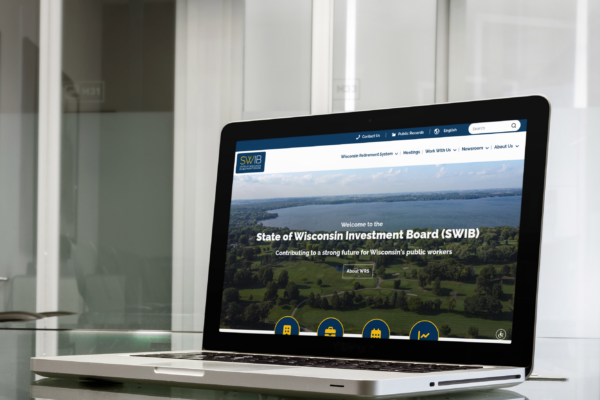
State of Wisconsin Investment Board Launches Modern, Accessible Website
The State of Wisconsin Investment Board has launched a redesigned website focused on accessibility, clarity,…
Apr 07, 2026
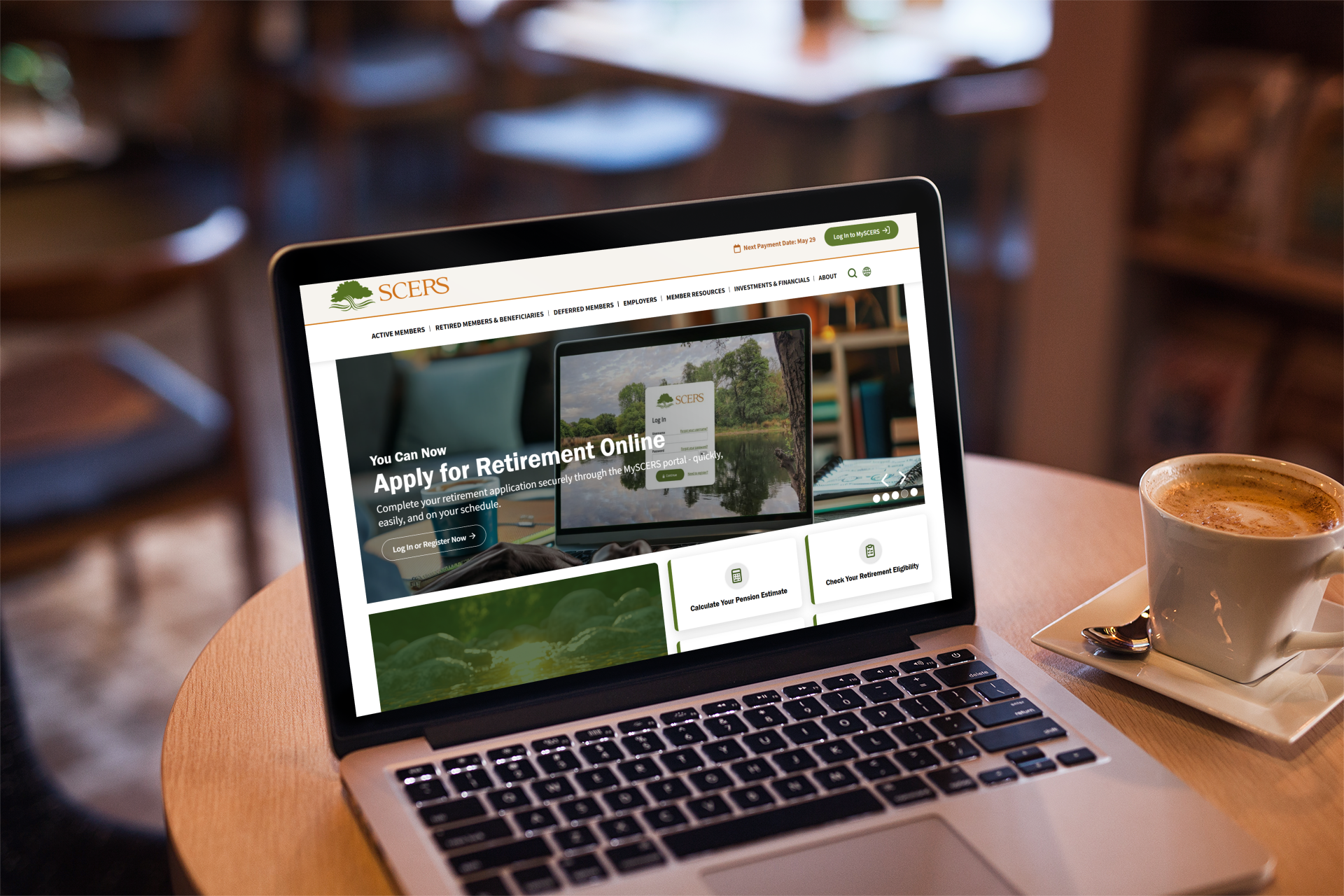
Sacramento County Employees’ Retirement System Launches Modern Member-Centered Website
The Sacramento County Employees' Retirement System has launched a newly redesigned website focused on improving…