
Article Detail
January 01, 2020
Open Source CMS Options
WordPress
- It was initially developed in 2003 as a blogging tool and is the #1 CMS in the world.
- WordPress has grown and expanded over the last 15 years, and has become the world’s most popular content management system with over 62 million installs.
- Over 30% of the Internet is now powered by WordPress.
- WordPress has made significant gains with municipal organizations and political leaders, Whitehouse.gov and 20 of the 22 democratic candidates for the 2020 Presidential election all use WordPress.
- It provides a back-end framework for at least 2.3% of all web sites worldwide ranging from personal blogs to corporate, political, government sites and is the #1 platform for enterprise CMS’s.
- The Drupal community is composed of more than 1.3 million members, including 109,000 users actively contributing, resulting in more than 39,000 free modules that extend and customize Drupal functionality and over 2,500 free themes that change the website look and feel.
Choosing the right CMS matters: Open Source Vs Proprietary
A proprietary CMS is a software that is the legal property of an organization, group, or individual that created it. The rights holder to the CMS will usually not release the source code to the public, and often only those who have purchased a special license key may use it. Examples: Kentico, SiteCore, Adobe Experience Manager and CivicEngageAn open-source CMS also has features exactly as the name implies: a source code open to the public eye and free to use by anyone. This can spawn a developer community, where programmers come together to develop the software and provide support to users. Examples: WordPress, Drupal and Joomla
The advantages of a proprietary CMS is the complete control of the source code by the organization, group, or individual behind it. If you don’t want the source code tampered with, this is the alternative to choose.
The advantages of an open-source CMS is the continual testing and development of the product by engaged programmers. This way the CMS will unlikely stay at a standstill, because it will always be improved.
The disadvantages of an open-source CMS may appear to be a lack of control, but the organization controlling the repository where the code lives can decide who can commit changes.
Recent posts
Jun 18, 2026
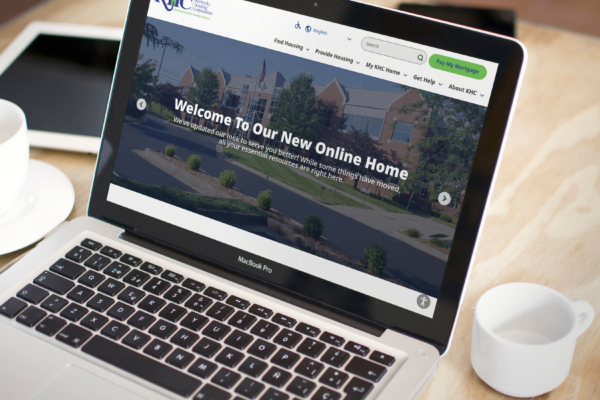
Kentucky Housing Corporation Launches Modern Housing Website
Kentucky Housing Corporation launched its redesigned website on June 18, 2026, giving Kentuckians a clearer,…

Apr 03, 2026
Strawberry Recreation District Launches New Community-Focused Website
The Strawberry Recreation District has launched a newly redesigned website that modernizes how residents access…