
Article Detail
March 25, 2026
Stop Asking for “Modern Design” in Website RFPs

If your website RFP starts with “modern design,” you may be focusing on the wrong problem.
It’s one of the most common phrases we see in government website projects:
“Modern, clean, visually appealing design.”
It sounds right. It’s easy to evaluate. It feels like progress.
But in practice, it rarely addresses what’s actually broken.
The Real Problem Isn’t Design
In most cases, agencies don’t have a design problem—they have an operational one.
Behind the scenes, the issues tend to look like this:
- Content is difficult and time-consuming to update
- Departments don’t have clear ownership of their pages
- Residents struggle to find basic information
- PDFs and documents are not accessible
- The CMS is unintuitive or overly complex
A new design can improve the look and feel of a website on day one. But if the underlying system doesn’t change, those same problems will resurface—often within months.
Why “Modern Design” Doesn’t Last
Design trends change quickly.
What feels modern today can look dated in just a few years. More importantly, design alone doesn’t solve the root issues that cause websites to become outdated in the first place.
Without improvements to usability, governance, and accessibility:
- Content becomes inconsistent
- Pages fall out of date
- Staff avoid making updates
- The site gradually declines in quality
This is why many agencies find themselves back in another redesign cycle sooner than expected.
What Actually Makes a Website Successful
The most effective government websites aren’t defined by how they look—they’re defined by how well they work.
Instead of prioritizing “modern design,” successful projects focus on:
1. A CMS That Non-Technical Staff Can Use
Your website is only as good as your ability to maintain it. If staff can’t easily update content, the site will quickly become outdated.
2. Clear Content Ownership
Each department should know what they own and how to manage it. Defined roles and workflows reduce confusion and improve accountability.
3. Built-In Accessibility and Compliance
Accessibility isn’t a feature—it’s a requirement. Ensuring compliance with WCAG standards from the start avoids risk and improves usability for all users.
4. Task-Based Navigation and Search
Residents don’t browse—they look for specific tasks. Navigation and search should reflect how users actually interact with the site.
5. A Structure That Can Evolve
Websites should be flexible and scalable, allowing agencies to adapt over time without needing a full redesign.
Design Still Matters—But It’s Not the Foundation
Design plays an important role in building trust and improving user experience. But it should be layered on top of a strong foundation—not used as a substitute for it.
A well-designed site built on a poor system will fail.
A well-structured site with a usable system will succeed—and continue to improve over time.
A Better Way to Write Website RFPs
If you’re planning a website project, consider shifting the focus away from aesthetics and toward outcomes.
Instead of starting with:
“We are seeking a modern, visually appealing website…”
Start with:
“We are seeking a website that is easy for staff to manage, accessible to all users, and structured around how residents access services.”
This simple shift changes everything—from how proposals are evaluated to how successful the final product will be.
Final Thoughts
The goal of a government website isn’t just to look better—it’s to work better.
By focusing on usability, accessibility, and long-term sustainability, agencies can build digital platforms that truly serve their communities—and avoid repeating the same challenges in future redesigns.
Recent posts
Aug 13, 2026
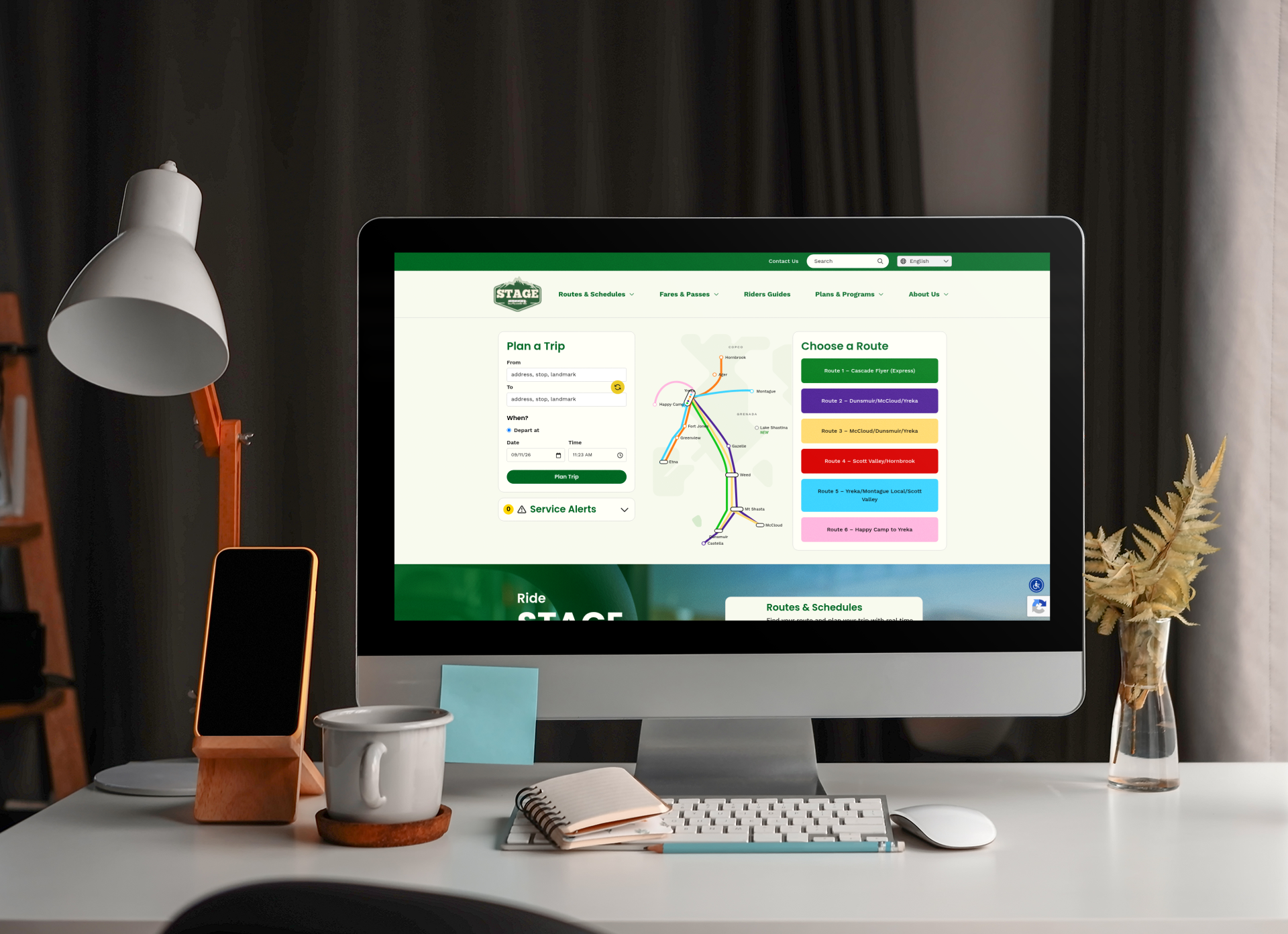
Siskiyou Transportation Agency Launches Rider-Focused STAGE Website
On August 13, 2026, Siskiyou Transportation Agency launched a new website for Siskiyou Transit and…

Jun 18, 2026
Kentucky Housing Corporation Launches Modern Housing Website
Kentucky Housing Corporation launched its redesigned website on June 18, 2026, giving Kentuckians a clearer,…